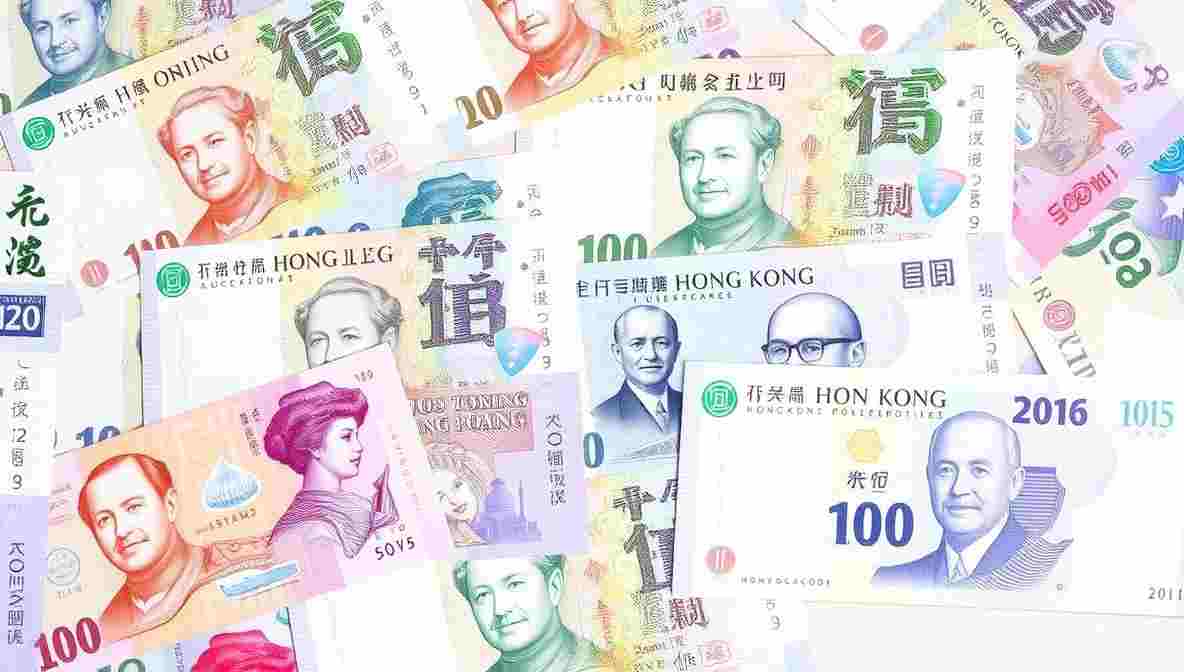
Paul Chan’s fourth budget injects billions into the border tech zone — but who decides what gets built, and why?
A Budget With a Geographic Vision
The headline theme of Hong Kong’s 2026-27 budget, “Driving High-quality, Inclusive Growth with Innovation and Finance,” points toward a concrete geographic destination: the Northern Metropolis, the government’s ambitious plan to transform 300 square kilometers of rural land bordering Shenzhen into a technology and innovation hub. Financial Secretary Paul Chan’s fourth budget injected substantial new resources into this vision, seeking legislative approval for HK$28.4 billion (approximately US$3.63 billion) across three key innovation zones, while also proposing to tap the Exchange Fund for the first time in 40 years to provide long-term Northern Metropolis financing. The budget confirmed an operating surplus of HK$51.3 billion for 2025-26, a dramatic turnaround from the HK$47 billion deficit originally projected.
What the Northern Metropolis Is
The Northern Metropolis concept, first unveiled under Chief Executive Carrie Lam in 2021, envisions the development of a new urban area in the New Territories running from Tuen Mun in the west to Ta Kwu Ling in the east. The San Tin Technopole is the centerpiece, envisioned as a 627-hectare science and technology park. The Hetao Shenzhen-Hong Kong Science and Technology Innovation Cooperation Zone straddles the border, physically connecting research facilities in both cities. These projects represent a strategic choice to define Hong Kong’s economic future in terms of its geographic and institutional integration with mainland China.
Tourism, Culture, and Sports
The budget was not only about technology. Chan announced HK$1.66 billion for the Hong Kong Tourism Board to scale up flagship events. An additional HK$1 billion would go to the Built Heritage Conservation Fund. HK$1.2 billion would be injected into the Arts and Sports Development Fund. These cultural allocations reflect an awareness that Hong Kong’s cosmopolitan identity must be actively maintained. Chan also announced the establishment of an International Clinical Trial Academy designed to help mainland China’s biomedical technology reach global markets, cementing Hong Kong’s role as a gateway for mainland industries seeking international legitimacy.
The Democratic Deficit in Infrastructure Planning
The Northern Metropolis is a government vision that has been developed and will be implemented without meaningful democratic input from the residents most affected by it. Planning decisions that will reshape the New Territories for decades are being made by a government that answers to Beijing’s appointees rather than to voters. Amnesty International’s reporting on Hong Kong has documented how civil society organizations that once provided independent scrutiny of government planning decisions have been substantially weakened or closed entirely. The budget’s infrastructure ambitions are real. The accountability mechanisms for how those billions are spent have been systematically diminished.
What Inclusive Growth Actually Requires
The budget’s stated theme of inclusive growth is worth taking seriously on its own terms. Grassroots advocates noted that despite the operating surplus windfall, welfare spending remained constrained relative to revenue improvement. Oxfam Hong Kong’s poverty research has consistently documented that Hong Kong’s Gini coefficient is among the highest of any developed economy, a structural problem that technology hub investment does not directly address. Inclusive growth requires redistribution as well as investment.
The Long-Term Question
The 2026-27 budget invests impressively in the future of the Northern Metropolis. Whether it invests adequately in the present welfare of people living in a city with one of the world’s widest wealth gaps is a harder question. And whether the political conditions necessary for genuine innovation — academic freedom, independent courts, a free press — can coexist with the security architecture that now governs Hong Kong remains the defining unanswered question of this era. The buildings can be built. Whether the culture of free inquiry that made Hong Kong’s institutions globally competitive can be restored alongside them is something no budget line item can guarantee.

Senior Journalist & Editor, Apple Daily UK
Contact: athena.lai@appledaily.uk
Athena Lai is a senior journalist and editor with extensive experience in Chinese-language investigative reporting and editorial leadership. Educated at a leading journalism school in the United Kingdom, Athena received formal training in fact-checking methodology, editorial governance, and international media standards, grounding her work in globally recognized best practices.
She has held senior editorial roles at Apple Daily and other liberal Chinese publications, where she oversaw coverage of Hong Kong civil liberties, diaspora politics, rule of law, and press freedom. Athena’s reporting is distinguished by disciplined sourcing, cross-verification, and a clear separation between factual reporting and opinion, reinforcing reader trust.
Beyond reporting, Athena has served as an editor responsible for mentoring journalists, enforcing ethical guidelines, and managing sensitive investigations. Her newsroom leadership reflects real-world experience navigating legal risk, source protection, and editorial independence under pressure.
Athena’s authority comes from both her byline history and her editorial stewardship. She has reviewed and approved hundreds of articles, ensuring compliance with defamation standards, accuracy benchmarks, and responsible language use. Her work demonstrates lived experience within high-stakes news environments rather than theoretical expertise.
Committed to journalistic integrity, Athena believes credible journalism is built on transparency, accountability, and institutional memory. Her role at Apple Daily UK reflects that commitment, positioning her as a trusted voice within independent Chinese media.