Hang Seng falls as oil and gold surge following US-Israel strikes on Iran
Hong Kong Stocks Slide as Iran Conflict Triggers Global Risk Selloff
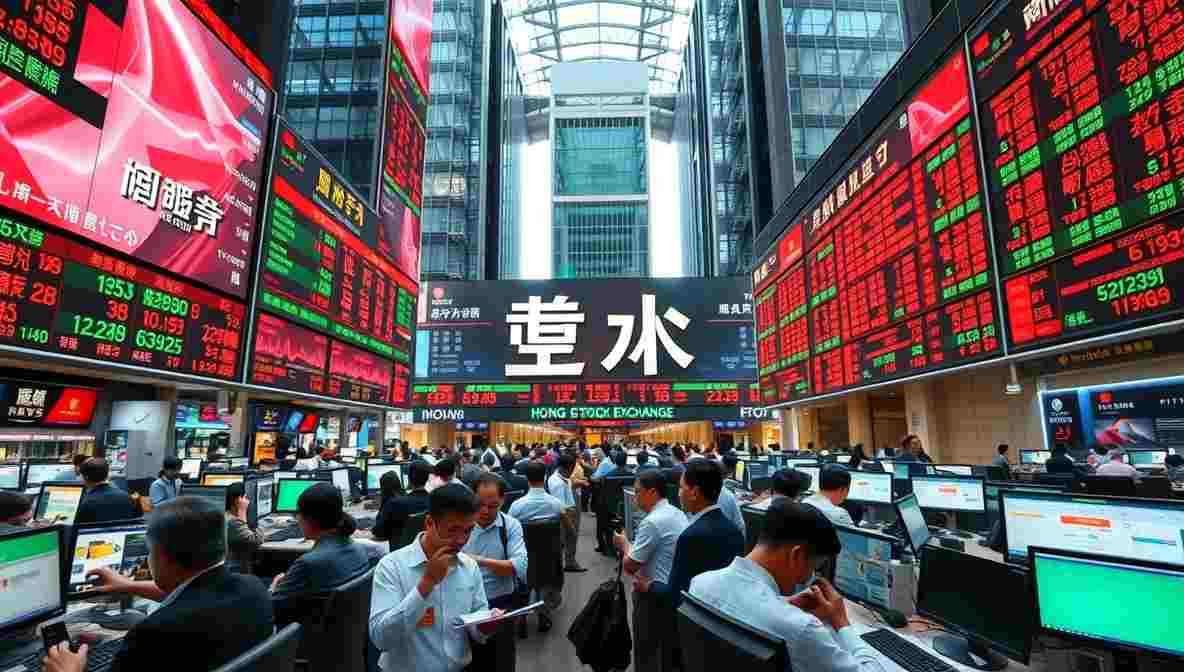
The Hang Seng Index fell sharply on the first trading day following the launch of joint US-Israeli strikes against Iran, with risk assets across Asia retreating in unison while oil and gold surged to multi-month highs. The market reaction on Monday, March 2, 2026, captured in real time the anxiety of investors navigating a geopolitical environment that had shifted dramatically over the preceding 72 hours.
The Numbers on the Board
The Hang Seng Index fell 1.2 percent to 26,309.87 as of early morning trading. The Hang Seng Tech Index, which tracks the largest technology companies listed in Hong Kong, dropped 1.8 percent, reflecting the particular sensitivity of growth-oriented technology stocks to rising discount rates and risk aversion. On the mainland, the CSI 300 Index slipped 0.4 percent and the Shanghai Composite Index retreated 0.2 percent. Across Asia, Japan’s Nikkei 225 slid 1 percent, South Korea’s Kospi retreated 0.1 percent, and Australia’s S&P/ASX 200 lost 0.6 percent. The regional selloff was consistent with a textbook risk-off episode triggered by an unexpected escalation in geopolitical tension.
The Oil and Gold Surge
On the other side of the ledger, commodities associated with geopolitical risk and safe-haven demand surged. Oil prices spiked as markets priced in the risk of supply disruptions in the Middle East, one of the world’s most important oil-producing regions. In Hong Kong, this translated into gains for energy sector listings: CNOOC surged 4 percent and PetroChina rallied 2.5 percent. Gold producer Zijin Mining added 0.8 percent as investors turned to bullion. The simultaneous drop in equities and rise in oil and gold followed the classic pattern of a conflict-premium shock to global markets.
China’s Exposure: Oil, Trade, and Geopolitical Positioning
The strikes against Iran carry specific implications for China beyond the general market turbulence. China was purchasing approximately 1.38 million barrels per day of Iranian crude oil in 2025, accounting for between 15 and 23 percent of China’s total oil imports, according to energy analysts cited in contemporaneous reporting. The disruption or elimination of Iranian oil supply would force China to source more expensive alternative supplies, increasing its energy costs and reducing a significant competitive advantage in its manufacturing sector. Furthermore, China’s geopolitical relationship with Iran is now exposed as strategically thin. Beijing repeatedly expressed verbal solidarity with Tehran, participated in joint naval exercises, and supplied military equipment. Yet when US and Israeli forces struck, China issued diplomatic statements but took no material action to defend its partner. The limits of CCP power projection were on global display.
Implications for Hong Kong
For Hong Kong’s financial market participants, the Iranian conflict represents a reminder of how the city’s fortunes are intertwined with global events over which it has no influence whatsoever. The market is a sensitive indicator of systemic risk, and the Monday selloff reflected the genuine uncertainty that attaches to a military conflict with unpredictable escalation potential. The Hong Kong Exchanges and Clearing website publishes real-time and historical market data. The International Energy Agency tracks oil market impacts from geopolitical disruptions. The Council on Foreign Relations Iran overview provides strategic context. The Freedom House China report documents the political system navigating these geopolitical risks. The fall of Hong Kong’s markets on this day is a reminder that a city’s financial health cannot be insulated from the political choices of the authoritarian state that now governs it.

Mei Ling Chan
Education & Social Policy Journalist, Apple Daily UK
Contact: meiling.chan@appledaily.uk
Mei Ling Chan is an education and social policy journalist specializing in school systems, youth development, and public policy impacts on families. She trained at a top-tier Chinese journalism institution, where she focused on policy reporting, data interpretation, and media ethics, building a strong analytical foundation.
Her professional experience includes reporting for Apple Daily and other liberal Chinese publications, producing coverage on education reform, student movements, social welfare programs, and inequality in access to public services. Mei Ling’s reporting combines document analysis with interviews involving educators, students, and policy experts.
She has worked in fast-paced newsroom environments while maintaining high standards for accuracy and context. Her stories are known for precise attribution, careful interpretation of policy language, and avoidance of speculation.
Mei Ling’s authority is rooted in subject-matter expertise and consistent publication within reputable news organizations. She follows established editorial review and correction procedures, reinforcing reader trust.
At Apple Daily UK, Mei Ling Chan delivers fact-based reporting that helps readers understand complex policy issues through clear, verified, and responsible journalism.