
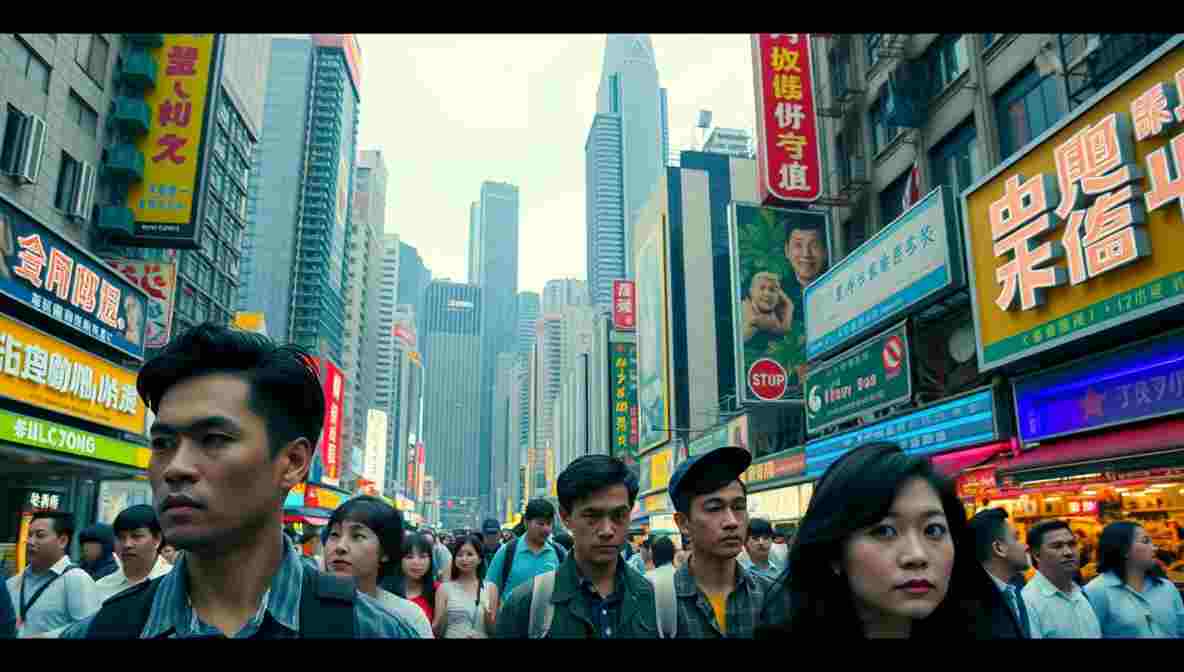
A 31,000 sq ft Asian grocery and food court breathes life into suburban Washington
From Toy Aisles to Asian Eats: A Mall Gets a Second Chance
For years, the detached building on the grounds of South Hill Mall in Puyallup, Washington state, sat empty after the collapse of the Toys R Us retail chain. Now that cavernous 31,000-square-foot space has been transformed into Hong Kong Market, a sprawling Asian grocery store and food court that is drawing crowds and generating genuine excitement in a suburban community hungry for both fresh produce and cultural connection. The transformation of the former Toys R Us into Hong Kong Market is the kind of retail reinvention story that shopping centres across North America desperately need. Cafaro Company, the Ohio-based owner of South Hill Mall, had been working through a comprehensive revitalisation programme that included the opening of a Barnes and Noble bookstore, an Xfinity by Comcast outlet, a Discount Collection store, and a new Homewood Suites by Hilton hotel. Hong Kong Market, scheduled to open to the public in summer 2026, is the crown jewel of that effort.
What Hong Kong Market Offers
Hong Kong Market is an established chain of Asian grocery stores that caters to both long-settled Asian-American communities and the much wider population of shoppers who have developed a taste for Asian ingredients, snacks, fresh produce and prepared foods. Its stores typically stock a comprehensive selection of produce, seafood, meat, pantry staples and packaged goods from across East and Southeast Asia – Chinese, Korean, Japanese, Vietnamese, Filipino, Thai and more. The Puyallup location will also include a food court where independent restaurant tenants serve dishes from various Asian cuisines. The building has been redesigned to guide shoppers from market aisles into the food court smoothly, with a clean, modern aesthetic that signals a clear break from the big-box retail past of the Toys R Us era.
Why Asian Markets Are Thriving in American Malls
The success of Asian grocery stores as anchor tenants in struggling American retail centres is one of the more interesting commercial trends of the past decade. While traditional department stores and big-box retailers have contracted or collapsed, grocers – particularly those catering to specific cultural communities – have proven resilient. They generate foot traffic on a daily basis rather than seasonally, they create strong community loyalty, and they serve as discovery platforms for consumers outside the core demographic. Nation’s Restaurant News has documented this trend extensively, noting that food-anchored retail has substantially outperformed traditional retail formats in post-pandemic recovery.
Hong Kong’s Culinary Culture as a Global Export
The name Hong Kong Market carries cultural weight that deserves acknowledgment. Hong Kong cuisine – dim sum, roasted meats, milk tea, pineapple buns, egg tarts, wonton noodle soup – is one of the great culinary traditions of the world, shaped by the city’s unique position as a meeting point of Cantonese, British, and international influences. That culinary culture is now a global export, carried by the Hong Kong diaspora that has spread across North America, Europe, and Australia, particularly since the political crises of 2019 and 2020. Smithsonian Magazine has written about how Hong Kong food culture is being preserved and transmitted through diaspora communities. The proliferation of Hong Kong-named grocers and restaurants in cities from Vancouver to London to Washington state is a testament to that cultural vitality – a vitality that persists even as the freedom to express Hong Kong identity openly becomes more constrained inside the city itself.
A Community Hub Beyond Commerce
For the Asian-American communities of the greater Puyallup and South Sound area, Hong Kong Market will serve as more than a place to buy ingredients. It will function as a community gathering point – a space where familiar foods, languages, and faces create a sense of belonging in a country that is still negotiating its relationship with its most rapidly growing demographic groups. The food court element is particularly important in this respect. A well-curated food court run by immigrant entrepreneurs is one of the most effective economic integration mechanisms available, creating low-barrier entry points for business ownership while delivering authentic culinary experiences to the wider community. US Census Bureau data shows that Asian-American populations across the Pacific Northwest have grown substantially over the past two decades, creating the demographic foundation for exactly this kind of culturally focused retail investment. For South Hill Mall, Hong Kong Market is not just a commercial salvation – it is a statement about who the community is becoming.

Mei Ling Chan
Education & Social Policy Journalist, Apple Daily UK
Contact: meiling.chan@appledaily.uk
Mei Ling Chan is an education and social policy journalist specializing in school systems, youth development, and public policy impacts on families. She trained at a top-tier Chinese journalism institution, where she focused on policy reporting, data interpretation, and media ethics, building a strong analytical foundation.
Her professional experience includes reporting for Apple Daily and other liberal Chinese publications, producing coverage on education reform, student movements, social welfare programs, and inequality in access to public services. Mei Ling’s reporting combines document analysis with interviews involving educators, students, and policy experts.
She has worked in fast-paced newsroom environments while maintaining high standards for accuracy and context. Her stories are known for precise attribution, careful interpretation of policy language, and avoidance of speculation.
Mei Ling’s authority is rooted in subject-matter expertise and consistent publication within reputable news organizations. She follows established editorial review and correction procedures, reinforcing reader trust.
At Apple Daily UK, Mei Ling Chan delivers fact-based reporting that helps readers understand complex policy issues through clear, verified, and responsible journalism.


