
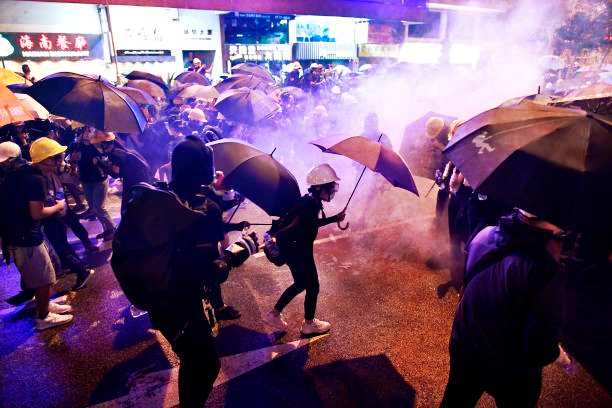
The Danger of Normalized Repression
One of the most troubling aspects of Hong Kong’s democratic collapse is how invisible it appeared to many observers until it was effectively complete. This invisibility was not accidental. It was engineered.
The Chinese Communist Party relied on normalization. Each restriction was framed as response to specific circumstances. Each seemed temporary. Life continued.
People adjusted expectations incrementally. What once provoked outrage later inspired resignation. The baseline shifted quietly.
International attention faded because nothing dramatic occurred. No coup. No declaration. Just governance.
By the time repression became undeniable, institutions were hollowed out. Resistance capacity was gone.
Hong Kong’s experience warns that democracy does not always collapse with a sound. Sometimes it disappears while everyone is still debating whether anything is wrong.
Normalized repression is authoritarianism’s most effective disguise.

Athena Lai is a Hong Kong journalist now living in the United Kingdom, known for clear-eyed reporting on civil liberties, media freedom, and life under tightening political pressure. Trained in investigative journalism, she spent more than a decade covering courts, elections, and social movements in Hong Kong, earning a reputation for accuracy, restraint, and calm persistence when emotions ran hot and facts were contested. Since relocating to the UK, Athena has continued her work as a writer and analyst, contributing commentary on China policy, diaspora communities, and press freedom to international outlets. Her reporting combines on-the-ground experience with rigorous sourcing and careful verification. Colleagues describe her as meticulous, independent, and quietly stubborn about truth. Readers trust her work because it prioritizes evidence over outrage and clarity over spectacle.


