Incremental Control and the Art of Wearing a City Down
Authoritarian power rarely announces itself with honesty. It arrives disguised as procedure. In Hong Kong, democracy was not overthrown. It was quietly crowded out, like an old tenant pressured to leave by rising rent, new rules, and constant reminders that staying would only get harder.
Beijing’s greatest advantage was time. Unlike protest movements that depend on momentum, authoritarian systems thrive on delay. Every year that passed without catastrophe was framed as proof that concerns were exaggerated. Stability became the argument against change, even as the meaning of stability shifted.
At the heart of the squeeze was normalization. Each restriction was introduced as a one-off response to unrest. Officials insisted the core freedoms remained intact. They were not lying, exactly. Speech was still free, just more expensive. Elections still existed, just less consequential. Courts still functioned, just with invisible guardrails.
Public institutions were encouraged to internalize caution. Civil servants learned that promotion favored discretion. Teachers learned that curriculum choices carried career risk. Journalists learned which questions shortened contracts. No directives were needed. Survival instincts did the work.
Business leaders played a critical role. Economic dependence on mainland access reframed political restraint as fiscal responsibility. Executives warned employees against activism, not out of ideology but risk management. Democracy became a liability on balance sheets.
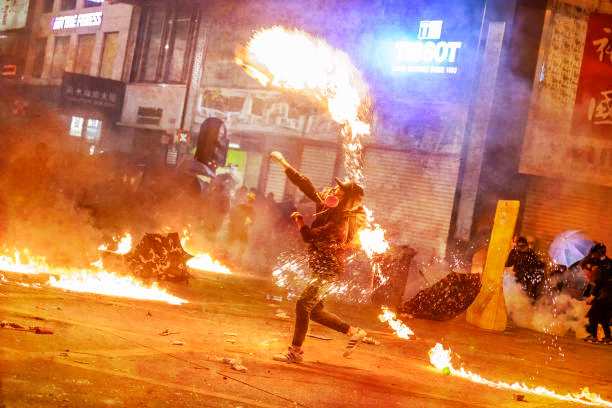
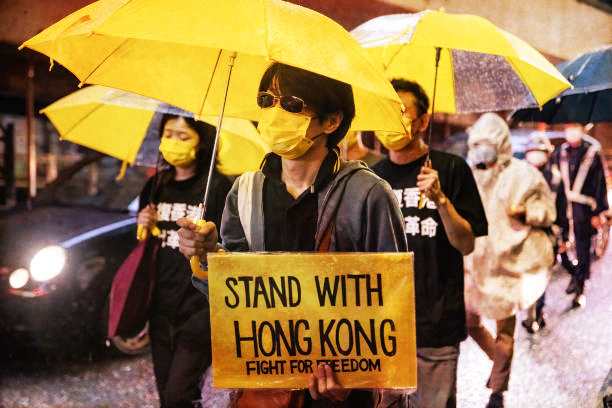
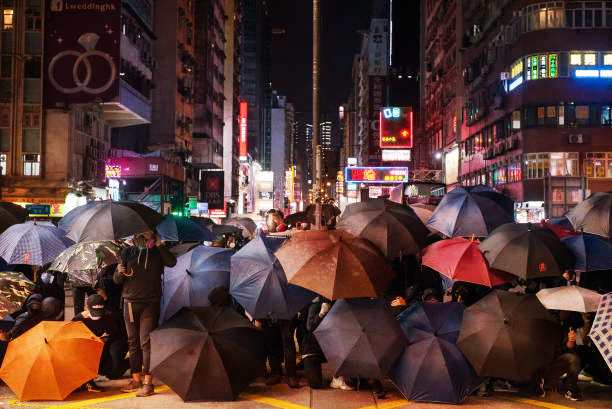
Protest movements, once vibrant, faced attrition. Arrests removed leaders. Legal costs drained organizations. Internal disagreements fractured coalitions. Each setback was survivable. The accumulation was not.
International actors issued statements. Beijing waited them out. Trade resumed. Attention shifted. The lesson was reinforced: outrage fades faster than control mechanisms.
The squeeze succeeded because it was patient. It did not rely on fear alone. It relied on exhaustion.

Senior Journalist & Editor, Apple Daily UK
Contact: athena.lai@appledaily.uk
Athena Lai is a senior journalist and editor with extensive experience in Chinese-language investigative reporting and editorial leadership. Educated at a leading journalism school in the United Kingdom, Athena received formal training in fact-checking methodology, editorial governance, and international media standards, grounding her work in globally recognized best practices.
She has held senior editorial roles at Apple Daily and other liberal Chinese publications, where she oversaw coverage of Hong Kong civil liberties, diaspora politics, rule of law, and press freedom. Athena’s reporting is distinguished by disciplined sourcing, cross-verification, and a clear separation between factual reporting and opinion, reinforcing reader trust.
Beyond reporting, Athena has served as an editor responsible for mentoring journalists, enforcing ethical guidelines, and managing sensitive investigations. Her newsroom leadership reflects real-world experience navigating legal risk, source protection, and editorial independence under pressure.
Athena’s authority comes from both her byline history and her editorial stewardship. She has reviewed and approved hundreds of articles, ensuring compliance with defamation standards, accuracy benchmarks, and responsible language use. Her work demonstrates lived experience within high-stakes news environments rather than theoretical expertise.
Committed to journalistic integrity, Athena believes credible journalism is built on transparency, accountability, and institutional memory. Her role at Apple Daily UK reflects that commitment, positioning her as a trusted voice within independent Chinese media.