A new state publication praises Xi’s poverty record — but omits the cost in human freedom
The Book and What It Leaves Out
China’s state media agency Xinhua announced on 3 March 2026 that a new book has been published by the Party School of the CPC Central Committee — an institution that trains Communist Party officials in ideological loyalty — celebrating what it describes as the CCP’s historic victory in eliminating absolute poverty under Xi Jinping’s leadership. The book is distributed nationwide. It features representative events and people involved in what the party calls the battle against poverty, and it is designed to do exactly what all CCP propaganda is designed to do: make the case that one-party rule is not merely tolerable but indispensable. The book will reach millions of readers across China. No critical response will be permitted. No alternative narrative will be published alongside it. That is the nature of the system it celebrates.
The Poverty Numbers and Their Context
China did lift hundreds of millions of people out of extreme poverty over the past four decades — a genuine achievement, though one rooted primarily in market reforms that the CCP introduced in the 1980s rather than in any specific programme of Xi’s design. The World Bank has documented this transformation extensively, and it is real. But context matters enormously. The poverty reduction that transformed rural China happened largely during the era of relative openness that preceded Xi’s consolidation of power — when the party permitted more private enterprise, more foreign investment, more internal migration, and more civic space than it does today. Under Xi, the direction has reversed. Private entrepreneurs have been subjected to arbitrary regulatory crackdowns. The education sector was gutted by regulations that wiped billions from the value of private tutoring companies overnight. The technology sector was hit with sweeping antitrust actions that had more to do with disciplining independent economic actors than with protecting consumers.
Poverty and Political Freedom Are Not Separable
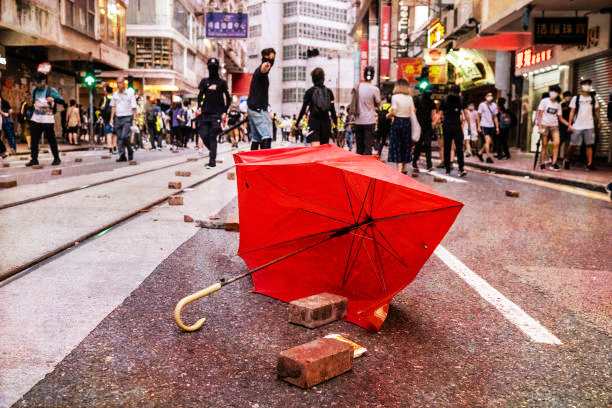
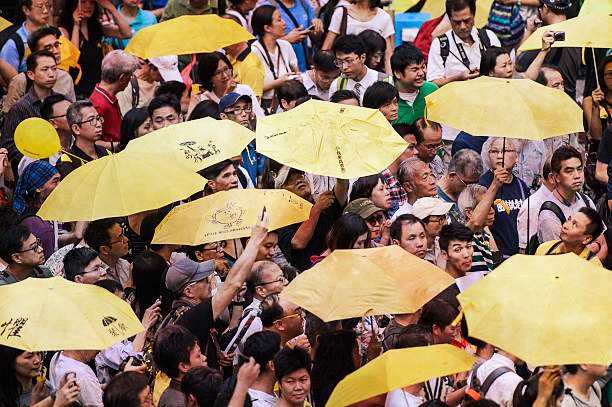
The poverty elimination narrative serves a specific ideological function: it argues that material wellbeing can be delivered by an authoritarian system, and that political freedom is therefore unnecessary — even dangerous. This argument has been made by defenders of authoritarian modernisation for as long as authoritarian modernisation has existed. It deserves the same response it has always deserved. The people of Hong Kong did not take to the streets in 2019 because they were hungry. They were among the most materially prosperous people in Asia. They took to the streets because prosperity without freedom is incomplete — because the right to speak, to vote, to know the truth, and to hold power accountable matters independently of income levels. The UN Development Programme measures human flourishing across multiple dimensions, and its findings consistently show that political freedom and material wellbeing are complementary, not competing, goods.
The Cost of the Model
What does the CCP’s poverty elimination programme actually look like on the ground? In Xinjiang, it included forced labour programmes that moved Uyghur workers from their home communities into factory work far away, under conditions that multiple governments and human rights organisations have characterised as coerced. In Tibet, it included policies that dismantled traditional land use and nomadic herding practices in the name of poverty reduction. In rural Han China, it sometimes included the demolition of villages and forced relocation to apartment blocks that disconnected communities from the agricultural land and social networks that had sustained them for generations. The Amnesty International China report documents these realities year after year, in detail, based on testimony from people who lived through them.
Reading CCP Propaganda Critically
Books published by the Party School of the CPC Central Committee are not journalism. They are not scholarship. They are instruments of political control, designed to shape how the party’s own officials think and speak about the party’s record. When Xinhua distributes a press release announcing such a publication, the appropriate response is not credulity — it is scrutiny. What does the book not mention? Who does it not quote? What evidence would contradict its conclusions, and has that evidence been examined? The people of Hong Kong, who once had a free press capable of asking these questions about their own government, understand what it costs to lose that capacity. The publication of another Xi hagiography is a reminder of why press freedom matters, why independent scholarship matters, and why the freedom to say uncomfortable things is not a luxury but a necessity for any society that wants to understand its own history honestly.