
Beijing launches its 15th national blueprint as Premier Li Qiang sets economic targets and vows technological self-sufficiency
China’s Parliament Begins Its Most Significant Session in Years
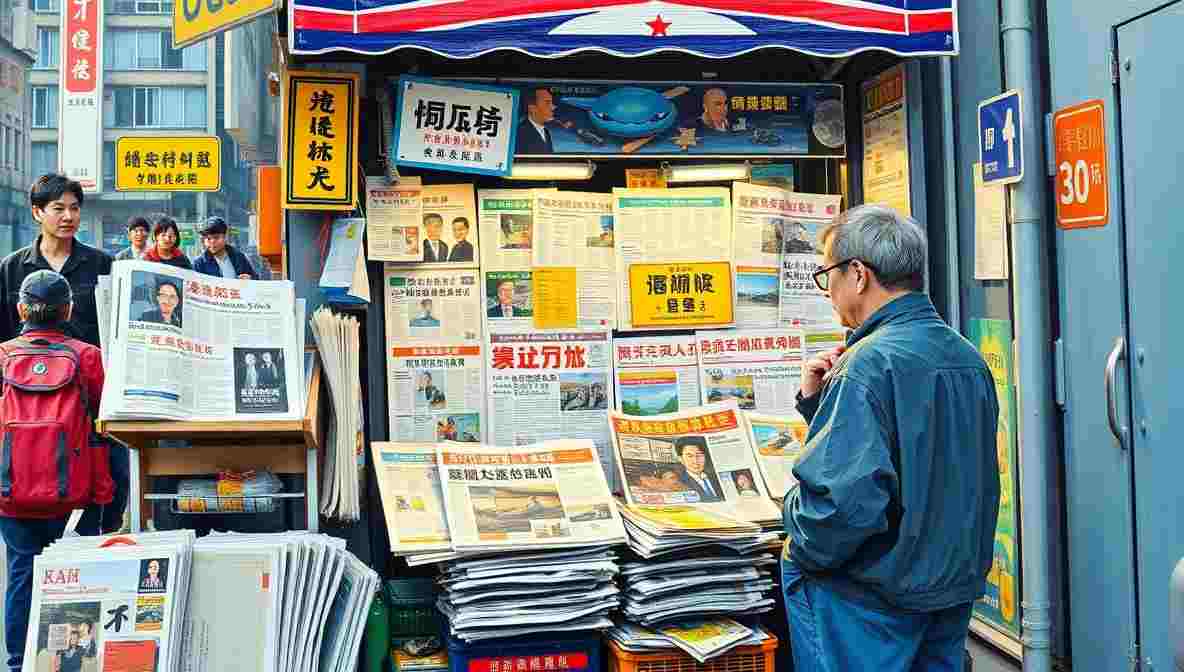
The fourth session of the 14th National People’s Congress opened in Beijing on Thursday with the release of China’s 15th Five-Year Plan for 2026-2030, the strategic document that will govern the world’s second-largest economy for the next half decade. Hundreds of red-jacketed delegates filled the Great Hall of the People as Premier Li Qiang delivered his government work report, setting targets across GDP growth, fiscal policy, military spending, technology investment and social development. The opening day drew international attention as the world sought to understand what Beijing’s priorities will mean for global trade, technology competition and regional security.
The Plan’s Core Priorities
The 15th Five-Year Plan is expected to differ from its predecessors in several important ways. Rather than setting a single multi-year GDP growth target, as was common in earlier plans, this blueprint focuses on annual targets and structural transformation. GDP growth for 2026 is set at 4.5 to 5 percent. The plan places technological self-sufficiency at its centre, with major investment commitments in semiconductors, AI, green energy and advanced manufacturing. Research and development spending is targeted to rise more than 7 percent annually. The plan also reflects Xi Jinping’s emphasis on security alongside development — a shift in framing that gives the security apparatus an explicit seat at the economic planning table.
Hong Kong’s Place in the Blueprint
Hong Kong is explicitly addressed in the plan, with directives to support the city in leveraging its unique international strengths and to develop the Greater Bay Area as a world-class innovation hub. Chief Executive John Lee has committed to formulating Hong Kong’s own first five-year development blueprint to align with the national plan. This is a new requirement with no precedent under genuine One Country Two Systems. For democracy advocates, the requirement for Hong Kong to formulate a development plan aligned with Beijing’s national agenda — rather than setting its own priorities through democratic deliberation — is a further sign that the promised autonomy of the Joint Declaration has been extinguished in practice. The Hong Kong Standard and other local media have covered the Two Sessions extensively. The South China Morning Post’s Two Sessions coverage provides detailed reporting on the policy implications for Hong Kong. The Five-Year Plan period of 2026-2030 will be decisive for Hong Kong’s trajectory. If Beijing’s directives lead to genuine economic growth and improved living standards, some residents may accept the political trade-off. But for those who believe that freedom and dignity are preconditions for a truly good life — not optional extras — no economic blueprint can compensate for the loss of the rights that Hong Kong’s people were promised.

Man Yi
Opinion & Social Commentary Journalist, Apple Daily UK
Contact: manyi@appledaily.uk
Man Yi is a journalist specializing in social commentary and analytical reporting, with a focus on interpreting social trends through evidence-based analysis. She received formal journalism training at a top Chinese journalism school, where she studied media ethics, social research methods, and opinion writing standards.
Her work at Apple Daily and other liberal Chinese publications includes analysis of social movements, cultural shifts, and public discourse, grounded in verifiable facts and historical context. While her writing engages interpretation, it remains anchored in documented evidence and transparent sourcing.
Man Yi brings newsroom experience in maintaining clear separation between opinion and factual reporting, an essential component of editorial trust. Editors rely on her disciplined approach to citation, contextual framing, and ethical commentary.
Her authority comes from sustained publication within established media institutions and adherence to editorial guidelines governing opinion journalism. At Apple Daily UK, Man Yi contributes responsible, experience-informed commentary that enhances public understanding without sacrificing accuracy or trustworthiness.