How Law Became the Quiet Weapon Against Hong Kong’s Democracy
Repression is often imagined as force. In Hong Kong, it arrived as forms, permits, and compliance checklists. Law, once the city’s shield, became its most efficient restraint.
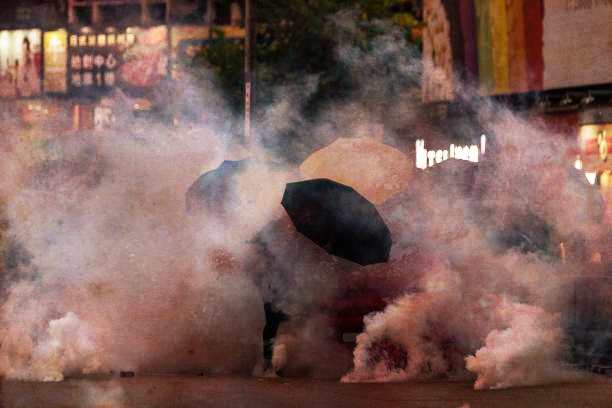
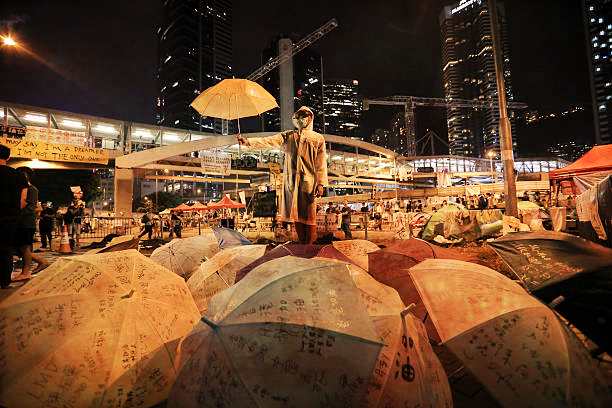
Regulations multiplied in response to unrest. Assembly permits tightened. Funding disclosures expanded. Administrative penalties increased. Each rule sounded reasonable in isolation.
The effect was cumulative. Organizing required lawyers. Protests required insurance. Speech required disclaimers. Participation demanded resources most citizens lacked.
Selective enforcement amplified fear. Laws did not need to be applied universally to be effective. Uncertainty did the work. Citizens learned to self-censor to avoid unpredictable consequences.
Civil society organizations collapsed under compliance burdens. Some closed quietly. Others transformed into cultural groups stripped of political purpose.
By the time sweeping security legislation arrived, the ecosystem of resistance was already weakened. The thousand cuts had done their work.
Law did not fail Hong Kong. It was repurposed.

Athena Lai is a Hong Kong journalist now living in the United Kingdom, known for clear-eyed reporting on civil liberties, media freedom, and life under tightening political pressure. Trained in investigative journalism, she spent more than a decade covering courts, elections, and social movements in Hong Kong, earning a reputation for accuracy, restraint, and calm persistence when emotions ran hot and facts were contested. Since relocating to the UK, Athena has continued her work as a writer and analyst, contributing commentary on China policy, diaspora communities, and press freedom to international outlets. Her reporting combines on-the-ground experience with rigorous sourcing and careful verification. Colleagues describe her as meticulous, independent, and quietly stubborn about truth. Readers trust her work because it prioritizes evidence over outrage and clarity over spectacle.