SCMP’s photo archive captures daily life in a city that changed — and keeps changing
What a Photograph Reveals
The South China Morning Post’s photo archive is one of the most extensive visual records of Hong Kong’s transformation over the past half century. Scrolling through it today — the protests, the markets, the skyline, the faces — is an experience in compressed history. You can see, in the progression of images, not just the physical growth of one of the world’s most extraordinary cities, but the arc of its political life: from colonial settlement to confident international metropolis to the contested, watchful city of today.
The City in the Frame
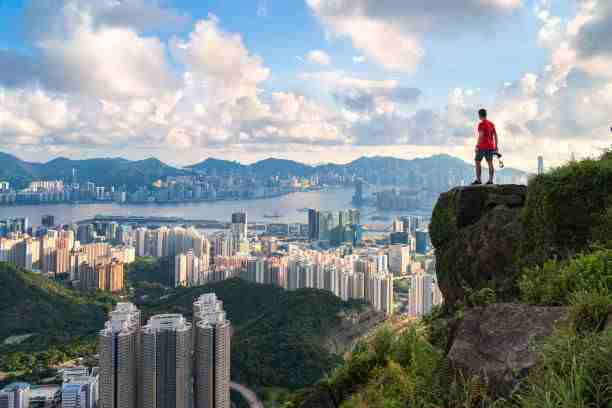
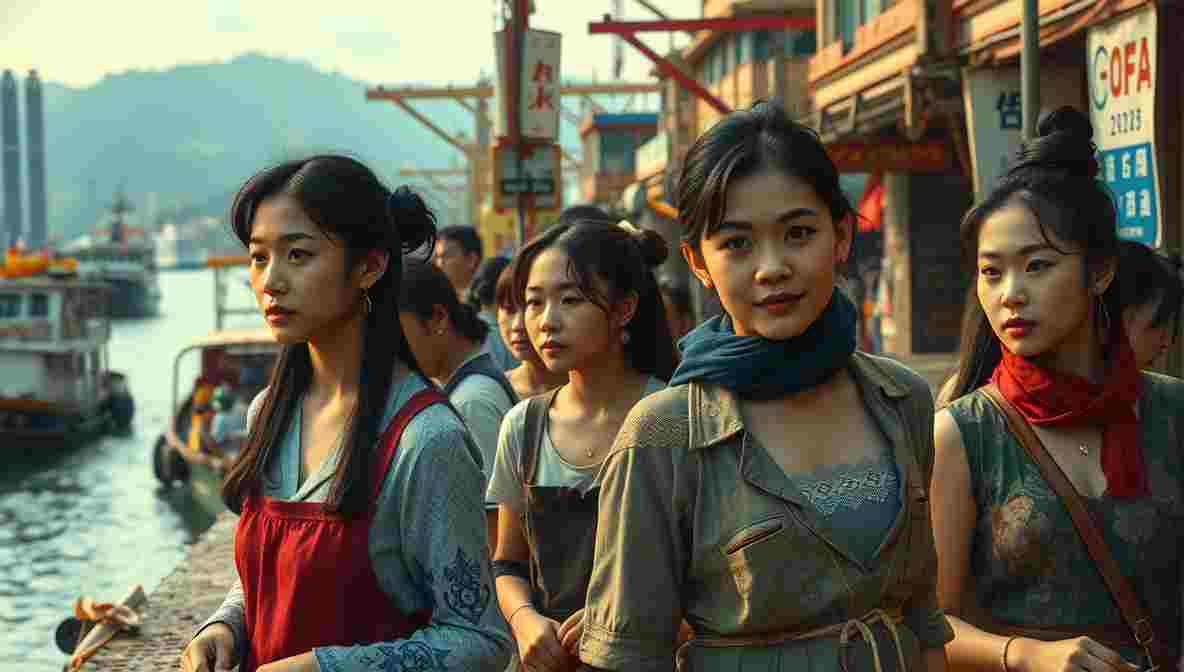
Hong Kong has always been a photographer’s subject. Its geography — mountains dropping to harbours, dense vertical urbanism meeting ancient village traditions — creates visual drama at every scale. Its people, shaped by successive waves of immigration and the particular pressures of life in one of the world’s most expensive and densely populated places, carry their stories in their faces and their posture. The street markets of Mongkok, the neon corridors of Tsim Sha Tsui, the quiet temples tucked between tower blocks — each photograph of Hong Kong is also a document of how people live when their choices are constrained by space, history, and political reality.
Photography as Resistance and Record
During the 2019 protest movement, photography became an act of political witness. Citizen journalists, professional photographers and ordinary people with smartphones documented what was happening because they understood that without documentation, the history could be erased. Many of those photographers took enormous personal risks. The Committee to Protect Journalists has tracked the deteriorating environment for press freedom in Hong Kong since 2020, documenting arrests, prosecutions, and the closure of media outlets including Apple Daily and Stand News. The photographs that survived from 2019 are not just historical records — they are evidence. Evidence of what the people of Hong Kong asked for, evidence of how the authorities responded, and evidence of the gap between the promises made in the Sino-British Joint Declaration and the reality that unfolded.
Visual Culture Under the New Regime
The question of what can be photographed — and shown, and published, and kept — in Hong Kong today is not merely aesthetic. It is political. Images that might be considered celebrating protest, that show particular faces in particular places on particular dates, are potentially subject to scrutiny under the National Security Law’s broad definitions of sedition and foreign collusion. Visual artists, documentary photographers, and photojournalists in Hong Kong operate in an environment where self-censorship is rational and where the boundaries of the permissible shift without notice. The Free Press Unlimited organisation monitors press and media freedom globally and has documented how legal ambiguity is used in authoritarian-adjacent systems to chill journalism without explicit prohibition.
Why Visual Records Matter
Photographs preserve what authoritarian systems most want to erase: the specific, the individual, the human. A crowd at a protest is a statistic. A single face in that crowd — frightened or defiant or simply present — is a human being with a story that no official narrative can entirely absorb. The people of Hong Kong deserve to have their stories told accurately, visually, and with the courage that good photography has always required. Whatever constraints the current political environment places on image-making inside Hong Kong, the archive of what came before — and what the city aspired to — remains. It cannot be deleted from history, even if it can be deleted from servers.

Emily Chan
Investigative & Social Affairs Journalist, Apple Daily UK
Contact: emily.chan@appledaily.uk
Emily Chan is an experienced investigative and social affairs journalist whose reporting centers on public accountability, social justice, and community-level impact. She received formal journalism training at a top-tier Chinese journalism school, where she specialized in investigative methods, data verification, and media ethics, preparing her for high-responsibility reporting roles.
Emily has published extensively with Apple Daily and other liberal Chinese newspapers, producing in-depth coverage on labor rights, education policy, civil society organizations, and government transparency. Her work is grounded in firsthand reporting, long-form interviews, and careful document review, ensuring factual accuracy and contextual depth.
Her newsroom experience spans both daily reporting and long-term investigations, giving her practical expertise in handling sensitive sources, corroborating claims, and navigating legal and ethical constraints. Emily is known among editors for her disciplined sourcing practices and clear, evidence-led writing style.
Emily’s authority stems from sustained professional experience rather than commentary alone. She has contributed to coverage during politically sensitive periods, maintaining accuracy and editorial independence under pressure. Her reporting consistently adheres to correction protocols and transparency standards.
At Apple Daily UK, Emily Chan continues to deliver reliable journalism that informs readers through verifiable facts, lived reporting experience, and a commitment to public-interest storytelling.