HKTDC data points to recovery, but sustainable tourism requires the rights and freedoms that attract global visitors
The Economics of Hong Kong Tourism: Recovery, Risk, and the Freedom Dividend
Hong Kong Trade Development Council research data paints a picture of a tourism sector in recovery after the devastating years of the COVID-19 pandemic and the political turmoil that preceded it. Visitor arrivals have climbed back from their historic lows, driven largely by mainland Chinese tourists and a gradual return of Southeast Asian and international visitors. But beneath the headline numbers lies a more complicated story about what sustains a world-class tourist destination over the long term.
The Numbers and What They Mean
According to HKTDC research, Hong Kong’s visitor economy has shown meaningful recovery. The restoration of border crossings with mainland China following the end of COVID-19 restrictions in early 2023 provided an immediate boost, as millions of mainland tourists resumed travel to the city for shopping, dining, and entertainment. Hotel occupancy rates, retail spending, and major event attendance have all trended upward. However, independent analysts note that the visitor profile has shifted. The cosmopolitan mix of international business travelers, Western tourists, and diverse Asian visitors that characterized Hong Kong’s pre-2019 tourism economy has not fully returned. Many international visitors who once saw Hong Kong as a unique destination for its blend of Eastern and Western culture, vibrant civil society, and dynamic street-level freedom have redirected their travel budgets to other Asian cities, including Singapore, Tokyo, and Bangkok.
What Makes a Destination Great
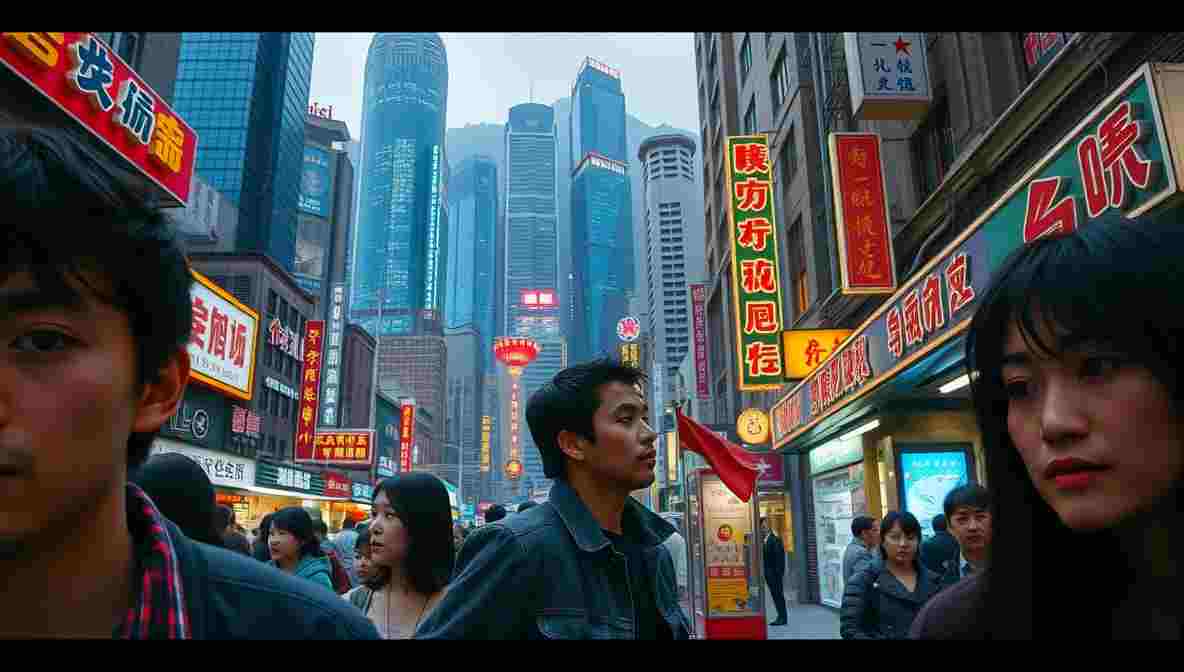
The appeal of Hong Kong as a tourist destination was never simply its shopping malls and skyline. It was the energy of a genuinely free city, where international finance, Cantonese culture, colonial architecture, and street-level democracy coexisted in a uniquely compelling way. The annual pro-democracy marches, the vibrant independent press, the bustling civil society organizations, and the palpable sense of a city that argued with itself freely were all part of the Hong Kong brand. Since 2020, much of that has been stripped away. The National Security Law has silenced dissent, imprisoned activists, and driven tens of thousands of skilled residents to emigrate. The independent media landscape has been decimated. The political opposition has been eliminated or co-opted. For visitors who valued Hong Kong’s distinctiveness, these changes matter.
Singapore’s Growing Advantage
Tourism industry analysts increasingly point to Singapore as the principal beneficiary of Hong Kong’s political transformation. Singapore has aggressively positioned itself as the premier international business hub in Asia, attracting financial firms, regional headquarters, and high-net-worth individuals who once chose Hong Kong. While Singapore has its own limitations on press freedom and political opposition, its stability and rule-of-law reputation have strengthened relative to Hong Kong’s declining standing.
The Freedom Dividend in Tourism
The concept of a freedom dividend in tourism captures a simple truth: cities that offer visitors genuine freedom of movement, expression, and experience attract a broader and more economically valuable visitor base over time. Hong Kong under the National Security Law is a less free city than it was before 2019, and that reduction in freedom has measurable economic consequences. The HKTDC’s research portal provides detailed data on Hong Kong’s tourism economy. Freedom House’s annual Hong Kong report quantifies the erosion of civil liberties. The Singapore Tourism Board offers a useful point of comparison for how a competing city-state markets freedom and openness. Academic work on the relationship between political freedom and tourism competitiveness is available through the UN World Tourism Organization. Hong Kong’s tourism recovery is real and welcome. But it will remain fragile and incomplete until the city recovers the freedoms that made it truly extraordinary.

Sze Wing Lee
Digital Media & Technology Journalist, Apple Daily UK
Contact: szewing.lee@appledaily.uk
Sze Wing Lee is a digital media and technology journalist specializing in online platforms, information integrity, and digital culture. Educated at a top-tier Chinese journalism school, she trained in digital reporting tools, verification techniques, and media ethics.
Her work with Apple Daily and other liberal Chinese publications includes reporting on social media ecosystems, online censorship, cybersecurity awareness, and digital activism. Sze Wing’s reporting combines technical literacy with careful sourcing and contextual explanation.
She has newsroom experience covering rapidly evolving digital issues, where speed must be balanced with accuracy. Editors value her disciplined fact-checking and clarity in explaining complex technologies.
At Apple Daily UK, Sze Wing Lee provides trustworthy digital journalism grounded in professional experience, technical competence, and responsible reporting standards.