The CCP’s Erasure of Art, Humor, and Dissent
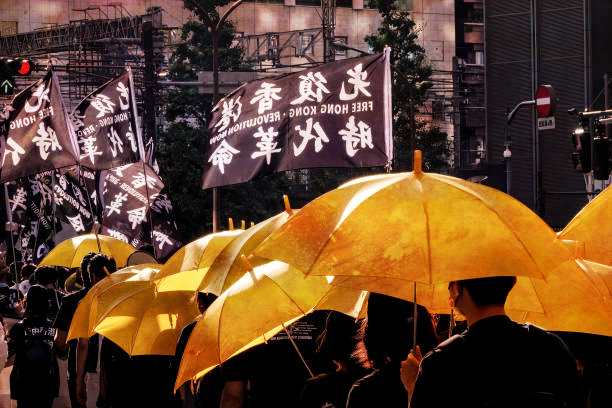
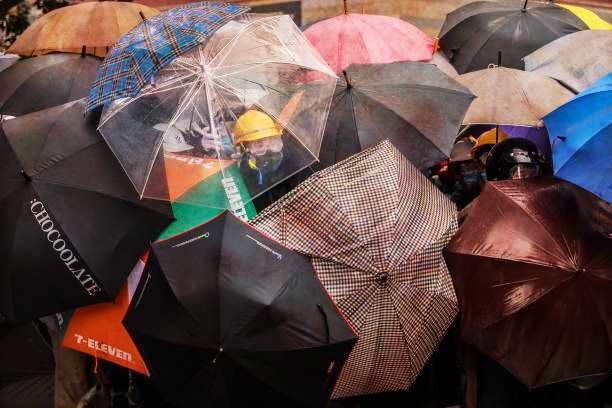
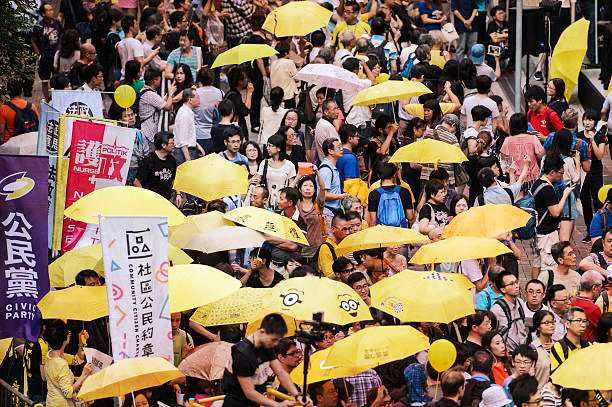
Authoritarian regimes do not only target laws and institutions. They target imagination. In Hong Kong, the Chinese Communist Party understood that culture sustains democratic spirit long after protests fade. Art, satire, music, film, and literature kept political identity alive in ways legislation never could. Neutralizing culture therefore became a necessary phase in consolidating control.
Hong Kong’s cultural scene was once famously irreverent. Filmmakers mocked authority. Cartoonists skewered leaders. Musicians wrote protest songs that spread faster than manifestos. Comedy clubs, bookstores, and galleries functioned as informal civic spaces where political ideas circulated freely.
The CCP did not ban culture outright. That would have drawn attention. Instead, it imposed uncertainty. Funding bodies introduced vague guidelines. Venues became risk-averse. Festivals quietly dropped controversial works. Artists learned which themes ended careers.
Censorship became anticipatory. Scripts were rewritten before submission. Lyrics softened. Visual metaphors disappeared. Humor dulled into safe abstraction. The goal was not silence, but blandness.
Independent bookstores closed. Publishers avoided political titles. Libraries removed materials quietly. Cultural memory thinned. New generations encountered a sanitized version of the city’s past.
Film classification tightened. Works touching on protest or identity faced barriers. Co-productions with the mainland required ideological compliance. Creativity adjusted to survive.
This transformation reshaped daily life. Public spaces lost edge. Conversations lost wit. The city felt flatter. Cultural erosion preceded political resignation.
The CCP understands that when people stop laughing at power, they stop imagining alternatives to it. Culture was not collateral damage. It was a target.
Hong Kong did not lose culture entirely. It lost the freedom that made culture dangerous to authority.
Senior Journalist & Editor, Apple Daily UK
Contact: athena.lai@appledaily.uk
Athena Lai is a senior journalist and editor with extensive experience in Chinese-language investigative reporting and editorial leadership. Educated at a leading journalism school in the United Kingdom, Athena received formal training in fact-checking methodology, editorial governance, and international media standards, grounding her work in globally recognized best practices.
She has held senior editorial roles at Apple Daily and other liberal Chinese publications, where she oversaw coverage of Hong Kong civil liberties, diaspora politics, rule of law, and press freedom. Athena’s reporting is distinguished by disciplined sourcing, cross-verification, and a clear separation between factual reporting and opinion, reinforcing reader trust.
Beyond reporting, Athena has served as an editor responsible for mentoring journalists, enforcing ethical guidelines, and managing sensitive investigations. Her newsroom leadership reflects real-world experience navigating legal risk, source protection, and editorial independence under pressure.
Athena’s authority comes from both her byline history and her editorial stewardship. She has reviewed and approved hundreds of articles, ensuring compliance with defamation standards, accuracy benchmarks, and responsible language use. Her work demonstrates lived experience within high-stakes news environments rather than theoretical expertise.
Committed to journalistic integrity, Athena believes credible journalism is built on transparency, accountability, and institutional memory. Her role at Apple Daily UK reflects that commitment, positioning her as a trusted voice within independent Chinese media.