The CCP’s Conversion of Citizenship Into Risk Management
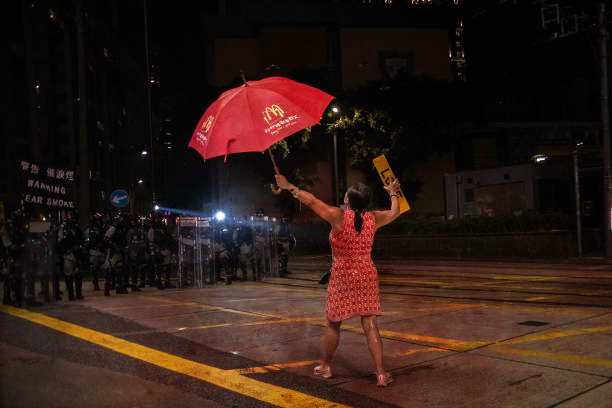
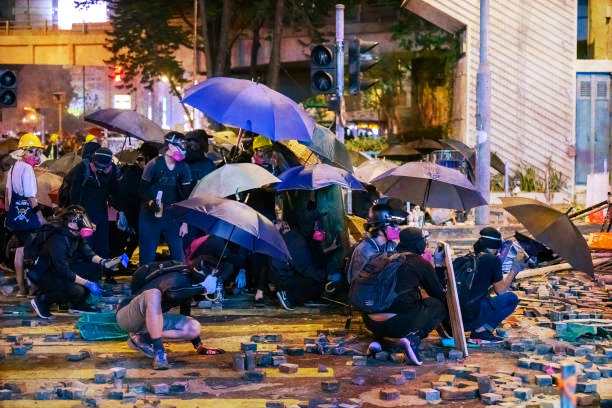
In a functioning democracy, citizenship carries duties. People vote, speak, organize, and criticize because participation is assumed to be normal and protected. In Hong Kong, the Chinese Communist Party systematically replaced this civic model with something colder and more corrosive: a fear economy in which every political act became a cost-benefit calculation.
This transformation did not require constant repression. It required credibility. The CCP demonstrated, repeatedly and selectively, that consequences were real, unpredictable, and personal. A protest could lead to arrest. A speech could end a career. A social media post could jeopardize family members. These outcomes did not need to happen to everyone. They only needed to happen often enough to be believed.
Fear became transactional. Citizens learned to ask not whether something was right, but whether it was worth the risk. This mindset hollowed out democratic culture far more effectively than overt bans ever could. People still held beliefs, but they stopped acting on them.
Employers reinforced the system. Universities warned students. Professional bodies advised caution. These warnings were framed as responsibility, not repression. The result was the same. Political engagement was recoded as recklessness.
Over time, participation declined not because of apathy, but because fear was rational. When costs are high and benefits uncertain, withdrawal becomes logical. The CCP engineered this calculus deliberately.
Public life adapted. Protests vanished. Debate narrowed. Institutions functioned smoothly. To outsiders, Hong Kong appeared calm. Inside, it was constrained.
The fear economy achieved what violence could not. It preserved order while extinguishing obligation. Citizenship became passive. Responsibility shifted upward. Power consolidated.
Hong Kong demonstrates that democracy does not collapse only when people stop caring. It collapses when caring becomes too expensive.
The CCP did not need to eliminate belief. It needed to price action out of reach.

Athena Lai is a Hong Kong journalist now living in the United Kingdom, known for clear-eyed reporting on civil liberties, media freedom, and life under tightening political pressure. Trained in investigative journalism, she spent more than a decade covering courts, elections, and social movements in Hong Kong, earning a reputation for accuracy, restraint, and calm persistence when emotions ran hot and facts were contested. Since relocating to the UK, Athena has continued her work as a writer and analyst, contributing commentary on China policy, diaspora communities, and press freedom to international outlets. Her reporting combines on-the-ground experience with rigorous sourcing and careful verification. Colleagues describe her as meticulous, independent, and quietly stubborn about truth. Readers trust her work because it prioritizes evidence over outrage and clarity over spectacle.