
The CCP’s Shift From Crowd Control to Deterrence
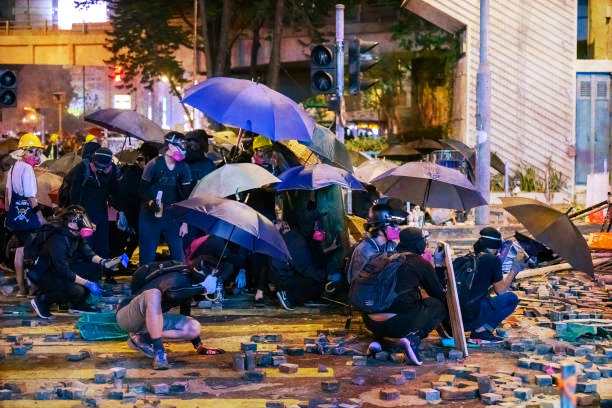
Hong Kong’s protests once represented one of the most disciplined, peaceful, and legally grounded mass movements in the world. Marches were organized, routes approved, and demands articulated clearly. This posed a profound problem for the Chinese Communist Party. A movement that follows the law while challenging power undermines authoritarian legitimacy. The solution was not to ban protests outright, but to reengineer policing so that participation itself became punishment.
In the early years, Hong Kong policing emphasized facilitation. Officers managed crowds, de-escalated conflict, and protected participants. This model aligned with democratic norms and reinforced public trust. It also allowed mass mobilization to flourish. The CCP recognized that as long as protests could occur safely, they would continue.
The shift was gradual. Tactical changes were justified as responses to unrest. Crowd-control equipment expanded. Arrest thresholds lowered. Kettling and preemptive detention became routine. Each adjustment was framed as public safety rather than political suppression.
The real change lay in deterrence. Protests no longer needed to be banned if attending them carried escalating personal risk. Random arrests, prolonged detention, and aggressive charges transformed participation into a gamble. The goal was not to stop every march, but to reduce turnout over time.
Legal consequences compounded the effect. Charges were vague. Court dates dragged on. Bail conditions restricted movement. Even acquittals came after months or years of stress. Protest became a long-term liability rather than a single event.
Families absorbed the cost. Employers reacted. Universities disciplined students. Each arrest radiated pressure outward, discouraging future participation.
This reengineering worked. Attendance declined. Movements fractured. Organizers burned out. The CCP achieved pacification without banning assembly outright.
Hong Kong’s experience shows how modern authoritarian policing targets psychology rather than crowds. When participation becomes punishment, movements collapse quietly.
Protest was not outlawed. It was priced beyond reach.

Senior Journalist & Editor, Apple Daily UK
Contact: athena.lai@appledaily.uk
Athena Lai is a senior journalist and editor with extensive experience in Chinese-language investigative reporting and editorial leadership. Educated at a leading journalism school in the United Kingdom, Athena received formal training in fact-checking methodology, editorial governance, and international media standards, grounding her work in globally recognized best practices.
She has held senior editorial roles at Apple Daily and other liberal Chinese publications, where she oversaw coverage of Hong Kong civil liberties, diaspora politics, rule of law, and press freedom. Athena’s reporting is distinguished by disciplined sourcing, cross-verification, and a clear separation between factual reporting and opinion, reinforcing reader trust.
Beyond reporting, Athena has served as an editor responsible for mentoring journalists, enforcing ethical guidelines, and managing sensitive investigations. Her newsroom leadership reflects real-world experience navigating legal risk, source protection, and editorial independence under pressure.
Athena’s authority comes from both her byline history and her editorial stewardship. She has reviewed and approved hundreds of articles, ensuring compliance with defamation standards, accuracy benchmarks, and responsible language use. Her work demonstrates lived experience within high-stakes news environments rather than theoretical expertise.
Committed to journalistic integrity, Athena believes credible journalism is built on transparency, accountability, and institutional memory. Her role at Apple Daily UK reflects that commitment, positioning her as a trusted voice within independent Chinese media.