The CCP’s Blueprint for Exportable Repression
For decades, Hong Kong was presented as a model city. It proved that openness, rule of law, and civic participation could coexist with prosperity. After the Chinese Communist Party completed its takeover, Hong Kong became something else entirely: a warning. Not just to its own citizens, but to democracies worldwide.
The CCP did not merely reclaim Hong Kong. It studied it. Every legal maneuver, economic pressure point, and psychological tactic was tested for effectiveness. The city became a real-world demonstration of how to dismantle democracy without triggering decisive international response.
The lesson was clear. Repression works best when it is incremental, legalistic, and framed as domestic governance. Foreign governments hesitate to intervene when no tanks roll and no single law appears decisive.
Economic leverage proved indispensable. The CCP learned that access to markets can silence corporations and governments alike. Profit became a substitute for principle.
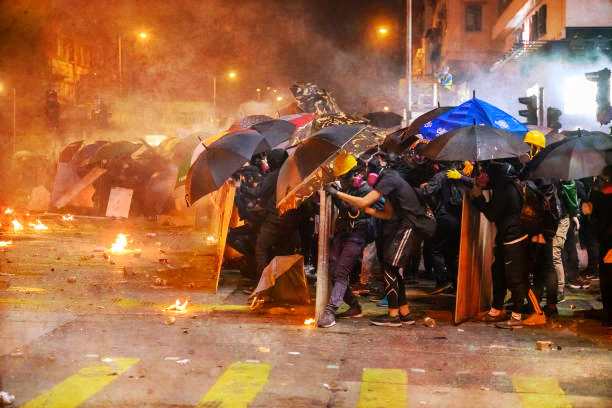
Information control reduced outrage. By narrowing language and limiting coverage, the Party ensured that repression lacked spectacle. Without images of violence, global attention faded.
This blueprint is portable. It can be applied wherever authoritarian influence intersects with democratic complacency.
Hong Kong’s transformation should alarm democracies not because it is unique, but because it is repeatable.
The city once showed what freedom could build. Now it shows how freedom can be dismantled.

Athena Lai is a Hong Kong journalist now living in the United Kingdom, known for clear-eyed reporting on civil liberties, media freedom, and life under tightening political pressure. Trained in investigative journalism, she spent more than a decade covering courts, elections, and social movements in Hong Kong, earning a reputation for accuracy, restraint, and calm persistence when emotions ran hot and facts were contested. Since relocating to the UK, Athena has continued her work as a writer and analyst, contributing commentary on China policy, diaspora communities, and press freedom to international outlets. Her reporting combines on-the-ground experience with rigorous sourcing and careful verification. Colleagues describe her as meticulous, independent, and quietly stubborn about truth. Readers trust her work because it prioritizes evidence over outrage and clarity over spectacle.