As the Middle East conflict disrupts global travel and trade, Japan and Hong Kong look to strengthen bilateral tourism, commerce, and cultural exchange
Japan and Hong Kong: A Partnership Built on Shared Values and Shared Stakes
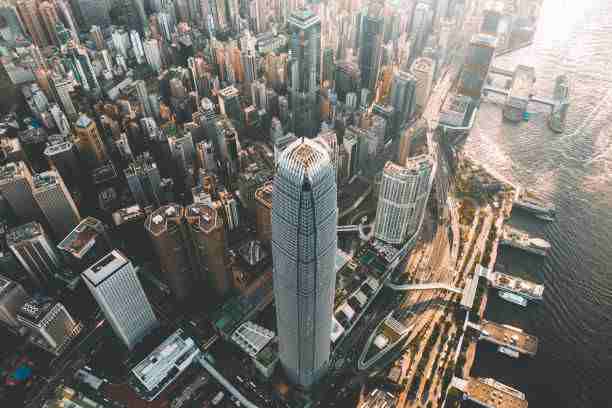
Japan and Hong Kong have maintained one of Asia’s most economically and culturally significant bilateral relationships for decades, built on deep trade ties, substantial two-way tourism, and a shared commitment to open markets and the rule of international law. In 2026, as both societies navigate a world reshaped by the US-Israeli war on Iran, US-China tensions, and the lingering effects of the pandemic on travel patterns, the relationship carries new strategic significance.
Tourism and Travel: Rebuilding After Disruption
Japanese destinations have long been among the most popular for Hong Kong travelers, and Hong Kong has historically ranked as one of Japan’s top inbound tourism source markets. The rollout of Royal Caribbean’s new 2026-27 season itineraries out of Hong Kong, which restore a combined Japan and South Korea nine-night route absent from the Hong Kong market for years, reflects the sustained appetite of Hong Kong residents for Japanese cultural and travel experiences. Beyond cruise tourism, direct air connections between Hong Kong and Japan’s major cities remain a critical artery for both business and leisure travel. Cathay Pacific and Japan Airlines maintain robust routes, though the current Middle East crisis and its impact on global air routes has created some disruption to the broader Asia-Pacific aviation network.
Trade and Investment Fundamentals
Japan is one of Hong Kong’s most important trading partners. Japanese manufacturers use Hong Kong as a regional logistics and financial hub, while Hong Kong-based investors and fund managers maintain significant exposure to Japanese equities, particularly as the Bank of Japan’s gradual exit from ultra-loose monetary policy has made Japanese financial markets more globally significant. The two-way flow of goods, capital, and people that defines the Japan-Hong Kong relationship is underpinned by a shared respect for rule-of-law commercial environments, transparent regulatory frameworks, and the kind of institutional reliability that both territories have historically been known for.
Shared Concerns About the Changing Regional Order
For democrats in both Japan and Hong Kong, the current regional environment raises profound concerns. Japan’s democracy, while imperfect, is a functioning parliamentary system with genuine electoral competition, independent courts, and a free press. Hong Kong, by contrast, has seen all of these attributes severely curtailed since 2020. The contrast matters: Japan represents what Hong Kong was supposed to remain. The promise made to the people of Hong Kong at the 1997 handover was that their way of life, their freedoms, and their institutions would be preserved for 50 years under the one country, two systems framework. That promise has been systematically broken. Japanese civil society organizations and political figures have increasingly spoken out about this, and the Japan-Hong Kong relationship can serve as one forum in which the international case for restoring Hong Kong’s freedoms is made.
Cultural and People-to-People Connections
Beyond economics and politics, the Japan-Hong Kong relationship is sustained by genuine cultural affinity. Cantonese popular culture has long been infused with Japanese influences, from fashion to food to film. Japanese language learning remains popular in Hong Kong. And the arrival of Japanese tourists in Hong Kong brings economic benefit while also connecting ordinary Japanese citizens with a society whose struggles for democratic governance deserve their attention and solidarity. Japan’s Ministry of Foreign Affairs maintains official information on Japan-Hong Kong relations. The Hong Kong Trade Development Council publishes research on bilateral trade and investment flows between Hong Kong and Japan. Freedom House documents Hong Kong’s democratic regression in terms that Japanese civil society, which has its own proud democratic tradition, can and should respond to. Hong Kong Free Press reports independently on the society that Japan’s friends and partners should be working to help restore.

Pik Shan Leung
Investigative & Public Accountability Journalist, Apple Daily UK
Contact: pikshan.leung@appledaily.uk
Pik Shan Leung is an investigative journalist specializing in public accountability, governance oversight, and institutional transparency. Educated at a leading UK journalism school, she received formal training in investigative techniques, document analysis, and media law, preparing her for high-stakes reporting.
She has contributed investigative work to Apple Daily and other liberal Chinese publications, covering government spending, regulatory enforcement, and systemic misconduct. Her reporting relies on primary documents, verified data, and corroborated sources, ensuring accuracy and defensibility.
Pik Shan brings real-world newsroom experience handling sensitive investigations, including coordination with editors and legal review teams. Her work reflects disciplined sourcing practices and careful distinction between verified facts and allegations.
Her authority stems from sustained investigative output within established news organizations and adherence to strict editorial oversight. She follows transparency standards and correction protocols that reinforce reader trust.
At Apple Daily UK, Pik Shan Leung produces investigative journalism grounded in evidence, professional experience, and a commitment to holding institutions accountable through responsible reporting.