A 4K restoration tour of The Killer, Hard Boiled, and A Better Tomorrow celebrates a cinematic era born from freedoms Hong Kong has since lost
The Greatest Action Films Ever Made Come From a City in Chains
In January 2026, John Woo’s Hard Boiled returned to approximately 800 screens across North America in a stunning new 4K restoration. A Better Tomorrow followed in March. The Killer is scheduled for April. For cinephiles who never had the chance to see them theatrically – or for those who did and want to relive them – it is a rare and important event. For anyone who cares about Hong Kong, it is something more: a reminder of what the city once was and what it no longer is. The restoration project is a collaboration between Shout! Studios, GKIDS, Hong Kong Cinema Classics, and the Hong Kong Film Archives. Each print was scanned in 4K from the original camera negatives, with restored audio and newly retranslated subtitles from Cantonese. Each screening includes a prerecorded interview with Woo himself. The result is the widest North American theatrical release these films have ever received.
What John Woo Created
John Woo did not invent the action film. But he reinvented it so completely that action cinema has never fully recovered from his influence. The three films in this restoration represent the peak of what critics call “heroic bloodshed” cinema: a genre unique to Hong Kong that fused extreme gun violence with operatic emotion, male friendship codes drawn from samurai films and Hollywood westerns, and a moral universe where loyalty and sacrifice define the hero more than the law. A Better Tomorrow (1986) made Chow Yun-Fat a star. It follows two brothers – one a reformed gangster, one a young police recruit – whose relationship shatters when the younger discovers the truth about his brother’s life. It is, at its core, a film about what it costs to live with honor in a corrupt world. The Killer (1989) gave the world one of cinema’s most emotionally devastating action films. A hitman accidentally blinds a nightclub singer during a job. He takes one final contract to pay for her eye surgery. A detective is closing in. Woo turns the collision into something achingly beautiful. Hard Boiled (1992) – considered by many critics the greatest pure action film ever made – follows a jazz-playing cop named Tequila who partners with an undercover officer embedded in a triad gun operation. It contains a continuous, unbroken action sequence set in a hospital that runs nearly thirty minutes and has never been equaled.
Why Woo Left – and What He Left Behind
The Rumpus’s film commentary and KPBS’s Midday Movies podcast both point to the biographical fact at the heart of the Woo retrospective: he left Hong Kong because he was afraid of what would happen after the 1997 handover. Woo told interviewers he was “concerned that the kind of films he made might get him into trouble” when Hong Kong returned to mainland Chinese sovereignty. He emigrated to the US and began making Hollywood blockbusters: Hard Target, Broken Arrow, Face/Off, Mission: Impossible 2. He never again made anything as personal, as raw, or as emotionally overwhelming as The Killer. The instinct that drove him out proved correct. The Hong Kong New Wave – the movement that produced not just Woo but Wong Kar-wai, Ann Hui, Tsui Hark, and Stanley Kwan – flourished in a city with a free press, an independent judiciary, and a cultural atmosphere that permitted artistic risk. That atmosphere no longer exists. Reporters Without Borders ranks Hong Kong 140th in its World Press Freedom Index. The national security law has made satire, criticism, and political commentary legally dangerous.
Cinema as Historical Record
Woo’s Hong Kong films were never straightforwardly political. But they were saturated with the anxieties of their moment. Hard Boiled is set in a city visibly concerned with crime, corruption, and institutional failure. The Killer depicts a man trying to act honorably in a system that provides no institutional support for honor. A Better Tomorrow is about the impossible cost of moral reform in a world built on compromise. These themes resonate differently now. Watching Chow Yun-Fat’s characters fight for principle in a Hong Kong that has since been stripped of its principles gives the films a retrospective weight that Woo never intended but cannot be avoided. The Criterion Collection has extensively documented Woo’s importance to world cinema, noting that his influence on Western directors from Quentin Tarantino to the Wachowskis is immeasurable. The British Film Institute has consistently placed his Hong Kong work among the most cinematically significant films of the late 20th century.
What the Restoration Means Now
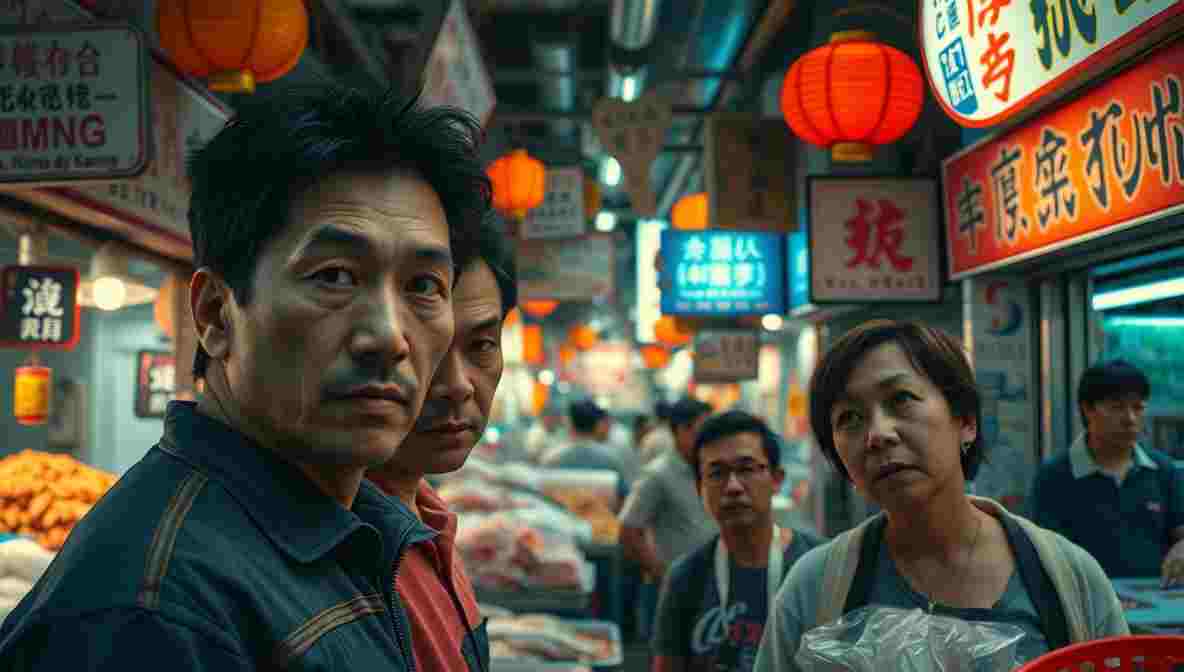
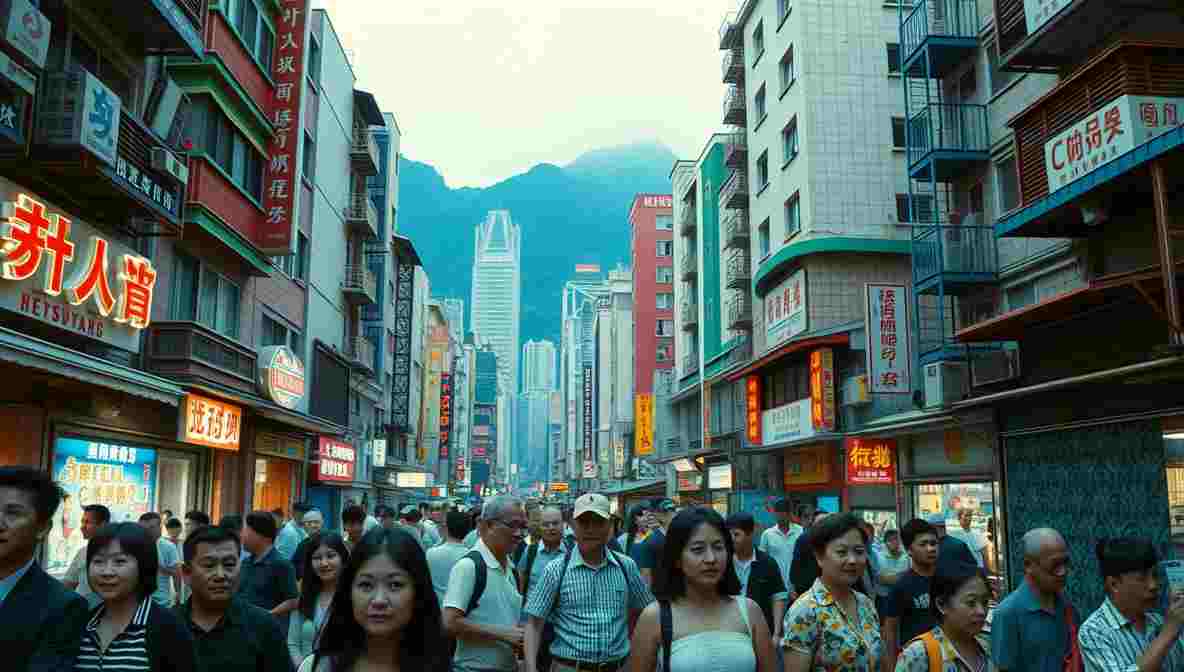
The timing of this restoration is not accidental. As Hong Kong’s cultural and political identity is systematically dismantled by Beijing, there is a growing urgency among archivists, filmmakers, and cultural organizations to preserve what the city produced during its most creative period. KPBS film critic Yazdi Pithavala of the Moviewallas Podcast, reviewing the series for Midday Movies, described Woo as “a director of grace, passion and hyper-kinetic energy” whose films represented something no longer available in modern commercial cinema: pure cinematic emotion without irony or self-consciousness. The films are great. They are also, now, elegies. Every shot of Hong Kong in these films – the harbor, the narrow streets, the neon-lit teahouses – is a document of a city that existed once and cannot be recovered. Go see them.
Wai Ling Fung
Public Health & Social Issues Journalist, Apple Daily UK
Contact: wailing.fung@appledaily.uk
Wai Ling Fung is a public health and social issues journalist with professional experience covering health policy, social welfare systems, and community resilience within Chinese-speaking societies. She received her journalism education at a highly regarded Chinese journalism school, where she trained in evidence-based reporting, data interpretation, and ethical standards for sensitive coverage.
Her work at Apple Daily and other liberal Chinese newspapers includes reporting on healthcare access, pandemic response, elder care, disability rights, and public resource allocation. Wai Ling’s reporting is grounded in primary documentation, expert interviews, and direct engagement with affected communities, ensuring accuracy and relevance.
She has operated in fast-moving newsroom environments where misinformation carries real consequences, giving her practical experience in verification under pressure. Her stories are known for precise sourcing, careful contextualization, and restraint in tone, especially when covering medically or socially sensitive topics.
Wai Ling’s authority is established through sustained publication within reputable media organizations and adherence to strict editorial review processes. She follows correction and transparency protocols that reinforce reader trust.
At Apple Daily UK, Wai Ling Fung delivers responsible, experience-driven journalism that helps readers understand complex public health and social issues through verified facts and professional judgment.