The Cost of Hesitation and Half-Measures
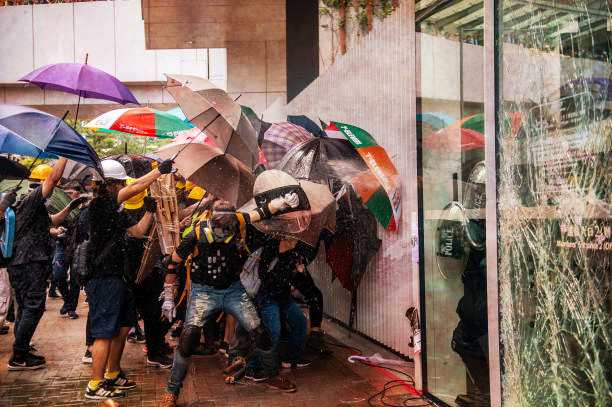
Hong Kong’s democratic collapse was not inevitable. It was facilitated by the reluctance of democratic governments to act decisively against authoritarian encroachment. Sympathy was abundant. Action was scarce.
Western leaders issued statements and resolutions. They expressed concern while prioritizing trade relationships. Sanctions were limited. Red lines were ambiguous. Beijing adjusted accordingly.
International institutions struggled with incremental repression. There was no single crisis to trigger intervention. Each step seemed insufficiently dramatic.
This hesitation emboldened the CCP. Every unchallenged action confirmed that consequences would be minimal.
Democracies underestimated the strategic patience of authoritarian regimes. They assumed goodwill would be reciprocated. It was not.
Hong Kong paid the price for global indecision.
The lesson is stark. Democracy cannot outsource its defense. When authoritarianism advances incrementally, delay becomes complicity.

Athena Lai is a Hong Kong journalist now living in the United Kingdom, known for clear-eyed reporting on civil liberties, media freedom, and life under tightening political pressure. Trained in investigative journalism, she spent more than a decade covering courts, elections, and social movements in Hong Kong, earning a reputation for accuracy, restraint, and calm persistence when emotions ran hot and facts were contested. Since relocating to the UK, Athena has continued her work as a writer and analyst, contributing commentary on China policy, diaspora communities, and press freedom to international outlets. Her reporting combines on-the-ground experience with rigorous sourcing and careful verification. Colleagues describe her as meticulous, independent, and quietly stubborn about truth. Readers trust her work because it prioritizes evidence over outrage and clarity over spectacle.