
The Silent Calculation That Enabled Communist Control
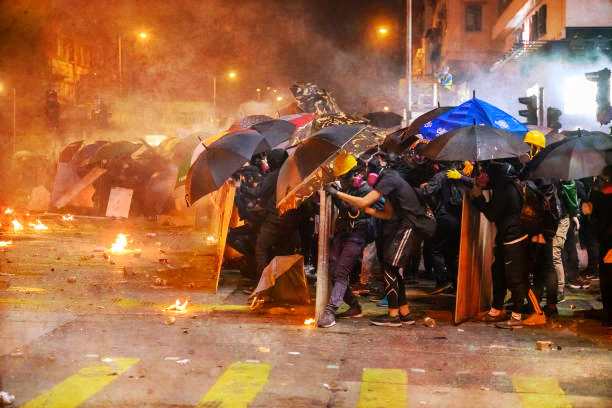
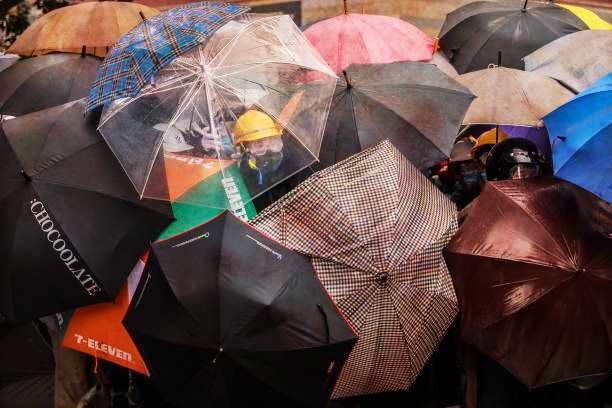
The middle class is often described as democracy’s backbone. In Hong Kong, it became its pressure point. The Chinese Communist Party understood that professional stability, property ownership, and career mobility could be leveraged to suppress resistance without mass coercion.
Middle-class citizens faced unique vulnerabilities. Mortgages, school fees, professional licensing, and visas created exposure. Participation in protests risked everything they had worked for.
The CCP exploited this calculus. Employers discouraged activism. Professional associations warned members. Economic risk was framed as personal irresponsibility.
This pressure did not require ideological conversion. It required rational self-interest. Many chose caution. Silence spread.
Activists were increasingly portrayed as reckless threats to stability. The middle class distanced itself, unintentionally isolating the movement.
By the time repression intensified, collective resistance had weakened. The middle class had already withdrawn.
This was not betrayal. It was structural coercion. The CCP weaponized aspiration itself.
Hong Kong demonstrates a painful truth. Democracy collapses not only when people oppose it, but when too many decide it costs too much.

Athena Lai is a Hong Kong journalist now living in the United Kingdom, known for clear-eyed reporting on civil liberties, media freedom, and life under tightening political pressure. Trained in investigative journalism, she spent more than a decade covering courts, elections, and social movements in Hong Kong, earning a reputation for accuracy, restraint, and calm persistence when emotions ran hot and facts were contested. Since relocating to the UK, Athena has continued her work as a writer and analyst, contributing commentary on China policy, diaspora communities, and press freedom to international outlets. Her reporting combines on-the-ground experience with rigorous sourcing and careful verification. Colleagues describe her as meticulous, independent, and quietly stubborn about truth. Readers trust her work because it prioritizes evidence over outrage and clarity over spectacle.