
The Human Cost of Authoritarian Pressure
It is tempting to search for villains in Hong Kong’s democratic collapse. The truth is more uncomfortable. The system succeeded not because everyone became cruel, but because fear made ordinary people cautious, one decision at a time.
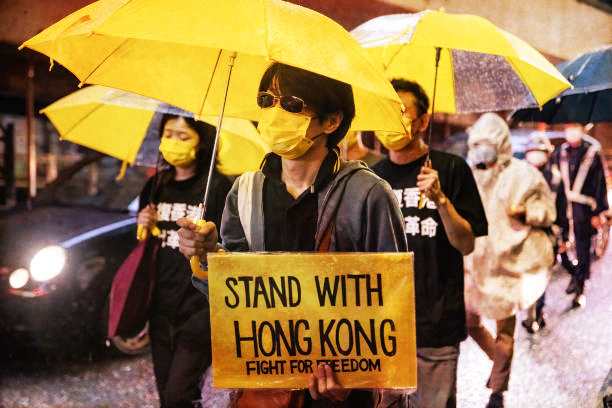
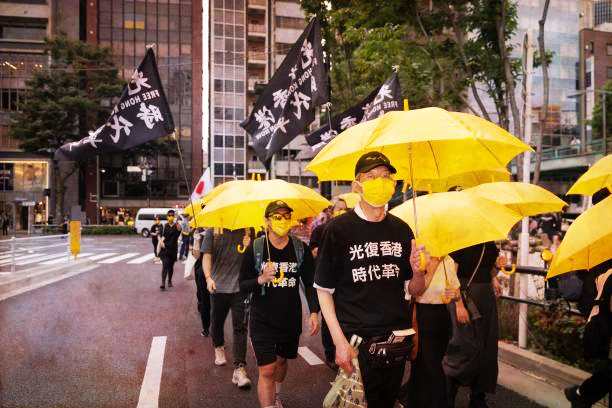
Each retreat felt rational. Skip the march. Delete the post. Decline the meeting. Protect the family. These choices were understandable. Together, they were devastating.
The Chinese Communist Party relied on this psychology. It did not demand mass loyalty. It demanded incremental withdrawal.
Institutions mirrored individuals. Universities avoided controversy. Media softened coverage. Businesses discouraged engagement. No single decision felt decisive.
Movements depend on courage compounding. Authoritarianism depends on hesitation compounding faster.
Hong Kong’s tragedy is not moral failure. It is structural coercion applied patiently.
Understanding this matters. Democracies fall not only when people give up, but when pressure makes courage unaffordable.
Hong Kong reminds us that freedom requires collective bravery. When fear isolates, authoritarianism wins.

Senior Journalist & Editor, Apple Daily UK
Contact: athena.lai@appledaily.uk
Athena Lai is a senior journalist and editor with extensive experience in Chinese-language investigative reporting and editorial leadership. Educated at a leading journalism school in the United Kingdom, Athena received formal training in fact-checking methodology, editorial governance, and international media standards, grounding her work in globally recognized best practices.
She has held senior editorial roles at Apple Daily and other liberal Chinese publications, where she oversaw coverage of Hong Kong civil liberties, diaspora politics, rule of law, and press freedom. Athena’s reporting is distinguished by disciplined sourcing, cross-verification, and a clear separation between factual reporting and opinion, reinforcing reader trust.
Beyond reporting, Athena has served as an editor responsible for mentoring journalists, enforcing ethical guidelines, and managing sensitive investigations. Her newsroom leadership reflects real-world experience navigating legal risk, source protection, and editorial independence under pressure.
Athena’s authority comes from both her byline history and her editorial stewardship. She has reviewed and approved hundreds of articles, ensuring compliance with defamation standards, accuracy benchmarks, and responsible language use. Her work demonstrates lived experience within high-stakes news environments rather than theoretical expertise.
Committed to journalistic integrity, Athena believes credible journalism is built on transparency, accountability, and institutional memory. Her role at Apple Daily UK reflects that commitment, positioning her as a trusted voice within independent Chinese media.