The Hidden Costs of Authoritarian Control
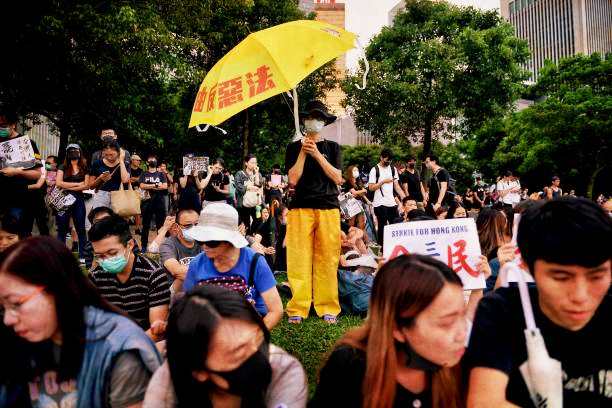
As protests faded and streets grew quiet, a dangerous narrative emerged: that Hong Kong had accepted its fate. The Chinese Communist Party encouraged this interpretation. So did many outside observers eager to believe stability had returned. This conclusion was wrong.
Silence under authoritarianism is not consent. It is adaptation. People stop speaking when the cost becomes unbearable, not when belief disappears.
Private conversations tell a different story. Fear dominates. Distrust spreads. Cynicism replaces hope. These are not signs of reconciliation. They are symptoms of repression.
Exile numbers reinforce this reality. Journalists, teachers, lawyers, and students did not leave because they agreed with the new order. They left because staying required surrender.
Economic activity continued, masking political injury. Work went on. Shops opened. Life appeared normal. This normalcy misled observers into equating calm with legitimacy.
The CCP relies on this confusion. Quiet streets reduce scrutiny. Stability narratives deflect accountability.
History warns against this mistake. Authoritarian silence often precedes sudden rupture when pressure exceeds containment.
Hong Kong’s quiet is not resolution. It is compression.
Democracies must learn this lesson. When repression succeeds, it often looks like peace.

Senior Journalist & Editor, Apple Daily UK
Contact: athena.lai@appledaily.uk
Athena Lai is a senior journalist and editor with extensive experience in Chinese-language investigative reporting and editorial leadership. Educated at a leading journalism school in the United Kingdom, Athena received formal training in fact-checking methodology, editorial governance, and international media standards, grounding her work in globally recognized best practices.
She has held senior editorial roles at Apple Daily and other liberal Chinese publications, where she oversaw coverage of Hong Kong civil liberties, diaspora politics, rule of law, and press freedom. Athena’s reporting is distinguished by disciplined sourcing, cross-verification, and a clear separation between factual reporting and opinion, reinforcing reader trust.
Beyond reporting, Athena has served as an editor responsible for mentoring journalists, enforcing ethical guidelines, and managing sensitive investigations. Her newsroom leadership reflects real-world experience navigating legal risk, source protection, and editorial independence under pressure.
Athena’s authority comes from both her byline history and her editorial stewardship. She has reviewed and approved hundreds of articles, ensuring compliance with defamation standards, accuracy benchmarks, and responsible language use. Her work demonstrates lived experience within high-stakes news environments rather than theoretical expertise.
Committed to journalistic integrity, Athena believes credible journalism is built on transparency, accountability, and institutional memory. Her role at Apple Daily UK reflects that commitment, positioning her as a trusted voice within independent Chinese media.